
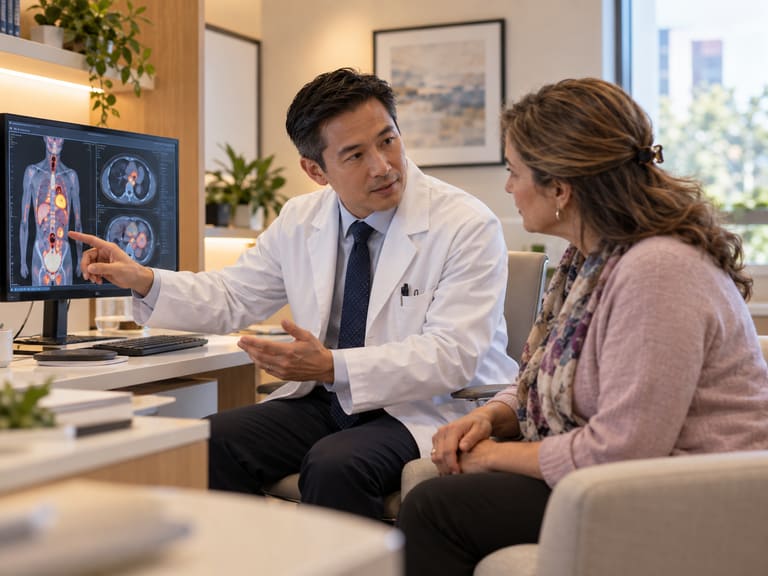
General information about chemotherapy, immunotherapy and targeted therapy, and how a review with a medical oncologist at a partner clinic is coordinated.
Important
This is general information, not medical advice. Cancer care decisions must be made with your treating oncologist. In an emergency, contact your local emergency services.
ELAVIA Global coordinates care; it does not provide medical treatment. All cancer care is delivered by independent partner clinics and their licensed oncologists.
A second opinion is an additional view, not a replacement for your current care. Please do not stop, delay or change any treatment without speaking to your treating team.
Medical oncology deals with cancer treatments that work throughout the body, normally given through a drip or as tablets. The main kinds are chemotherapy, which targets fast-dividing cells; immunotherapy, which helps the immune system spot cancer cells; and targeted therapy, which acts on particular features of some cancer cells found through tests on the tumour. Some cancers are also treated with hormone therapy.
Whether any of these is suitable, and which medicine, dose and timetable are used, depends on the type and stage of the cancer, the pathology and molecular results, earlier treatment and your general health. A medical oncologist makes these decisions, frequently together with a multidisciplinary tumour board.
This kind of treatment usually runs in cycles over weeks or months, with regular blood tests and check-ups. So much of it is often given close to home, and a review in Istanbul may concentrate on the plan rather than the whole course.
You get in touch with a coordinator and explain what you would like looked at. We are clear about our role: ELAVIA Global coordinates care and does not give medical advice or treatment.
With your permission, your reports, scans and pathology go securely to an oncologist at an independent partner clinic. The original scan files or pathology slides may need a fresh look, or some tests may need repeating.
The medical oncologist reviews your case, often with a multidisciplinary team, and explains whether treatment of this kind is advised, which type, and how it would be monitored. More tests may be needed first.
If you and the oncologist decide to go ahead at a partner clinic, treatment is given in its day unit under the oncology team’s supervision, and the coordinator helps fit travel around the cycles.
You take written reports home with you. Follow-up normally continues with your own oncologist, and the coordinator helps pass records between the teams.
These are only general examples. A treating oncologist decides whether any test or treatment is right for you, after an examination and a review of your scans and pathology.
Keep the originals and send copies. The team carrying out the review may request more records or ask for some tests to be done again.
That depends on the plan. Courses often run for several months with frequent visits and blood tests, so many people have treatment nearer home. The oncologist talks through what is practical and safe for you.
No. They are used only for certain cancers and, in the case of targeted therapy, generally only when tests find a specific change in the tumour. The oncologist judges whether they are relevant once your pathology and test results have been reviewed.
All of these treatments can cause side effects, which differ with the medicine and the person. The treating team explains what to expect, how you will be monitored and whom to contact. Some side effects need urgent attention, so you always have an emergency number.
That is for your treating oncologist to decide. Blood counts, infection risk and how you feel all count, so do not plan travel during treatment without the team’s agreement.
Cancer care is planned and priced individually after the oncologist reviews your records.
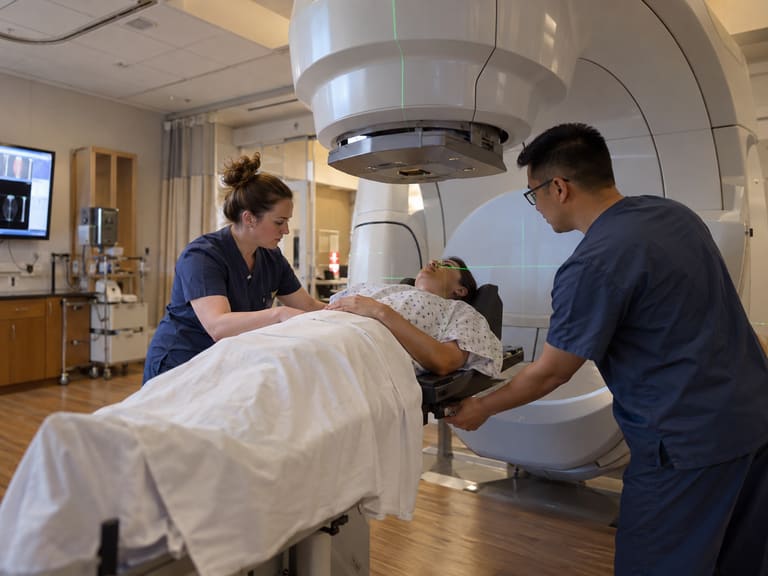
General information about radiotherapy and how a review with a radiation oncologist at a partner clinic is coordinated, from your records to planning scans.
View treatment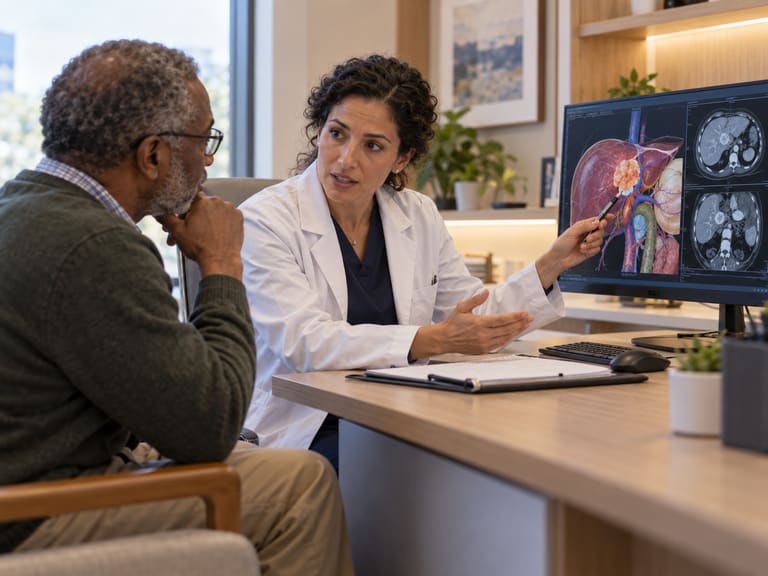
General information about cancer surgery and how a review with a surgical oncologist at a partner clinic is coordinated, always as part of a multidisciplinary plan.
View treatment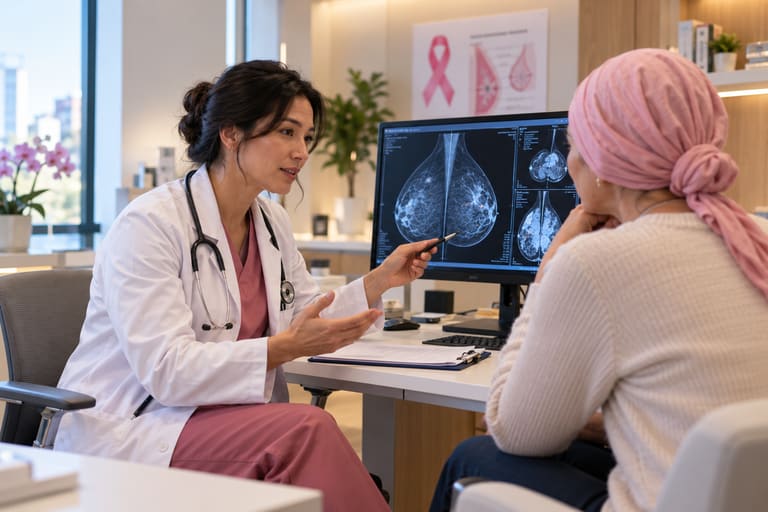
General information on how breast cancer is assessed and treated, and how a review with a breast cancer team at a partner clinic is coordinated.
View treatmentSend your records and your questions, and a coordinator will explain how a partner oncologist could review them. You are under no obligation, and your current care carries on as planned.
This is general information, not medical advice. Cancer care decisions must be made with your treating oncologist. In an emergency, contact your local emergency services. ELAVIA Global coordinates care; it does not provide medical treatment. All cancer care is delivered by independent partner clinics and their licensed oncologists.
ELAVIA Global coordinates international patient care. Clinical services are delivered by independently operated facilities.