
An additional expert review of an existing cancer diagnosis or treatment plan by an oncologist at a partner clinic — alongside, not instead of, your current care.
Important
This is general information, not medical advice. Cancer care decisions must be made with your treating oncologist. In an emergency, contact your local emergency services.
ELAVIA Global coordinates care; it does not provide medical treatment. All cancer care is delivered by independent partner clinics and their licensed oncologists.
A second opinion is an additional view, not a replacement for your current care. Please do not stop, delay or change any treatment without speaking to your treating team.
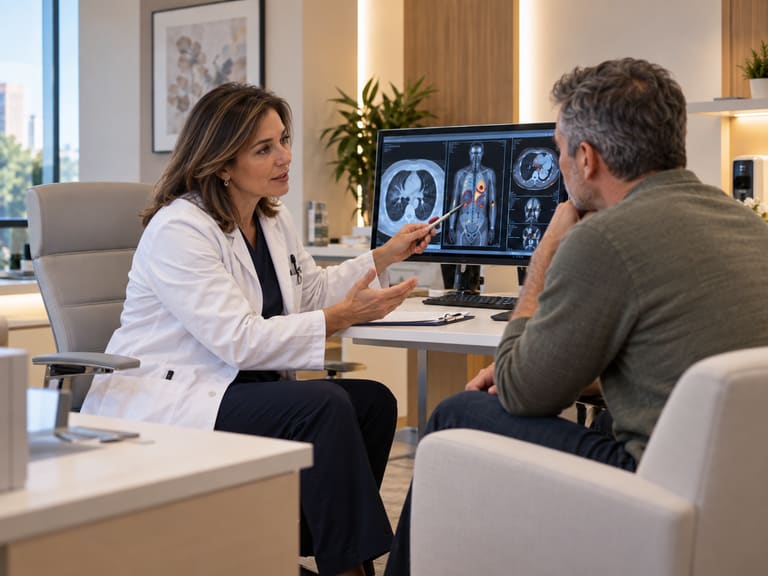
A second opinion means another oncologist looks at your diagnosis and the treatment that has been proposed. People often ask for one after a new diagnosis, before a big treatment decision, or simply to understand their choices better. It is a normal, accepted part of cancer care, and most treating teams are used to sending records for this.
The reviewing oncologist studies your reports, scans and pathology and sets out their view in writing. They may agree with the plan you have, suggest more tests or bring up other options to talk about. A second opinion sits alongside your current doctors rather than replacing them, and no treatment should be paused or changed while you wait for it.
ELAVIA Global organises the process: collecting records, arranging the review with an independent partner clinic and keeping you up to date. We do not give medical opinions ourselves.
You get in touch with a coordinator and explain what you would like looked at. We are clear about our role: ELAVIA Global coordinates care and does not give medical advice or treatment.
With your permission, your reports, scans and pathology go securely to an oncologist at an independent partner clinic. The original scan files or pathology slides may need a fresh look, or some tests may need repeating.
The oncologist writes an opinion on the diagnosis and the plan proposed. It may support the current approach, recommend more tests or set out options for you to raise with your treating team.
Depending on the situation, the opinion may be based on your records or on a face-to-face consultation in Istanbul. Having any care at a partner clinic is a separate choice, made with the oncologists.
You take written reports home with you. Follow-up normally continues with your own oncologist, and the coordinator helps pass records between the teams.
These are only general examples. A treating oncologist decides whether any test or treatment is right for you, after an examination and a review of your scans and pathology.
Keep the originals and send copies. The team carrying out the review may request more records or ask for some tests to be done again.
No. Never stop, delay or change treatment without talking to your treating oncologist. A second opinion is an extra view to discuss with your own team.
Seeking a second opinion is a routine part of cancer care and most doctors are used to it. You can ask your team for copies of your records, which in most countries you have a right to.
Sometimes a first review can be done from your records and scan files. The oncologist may say that an in-person examination, new scans or another look at the pathology is needed before they can give a view.
Doctors do sometimes differ, especially in complex cases. The written opinion explains its reasoning so you can talk it over with your treating oncologist, and decisions are best made together with the doctors responsible for your care.
Cancer care is planned and priced individually after the oncologist reviews your records.
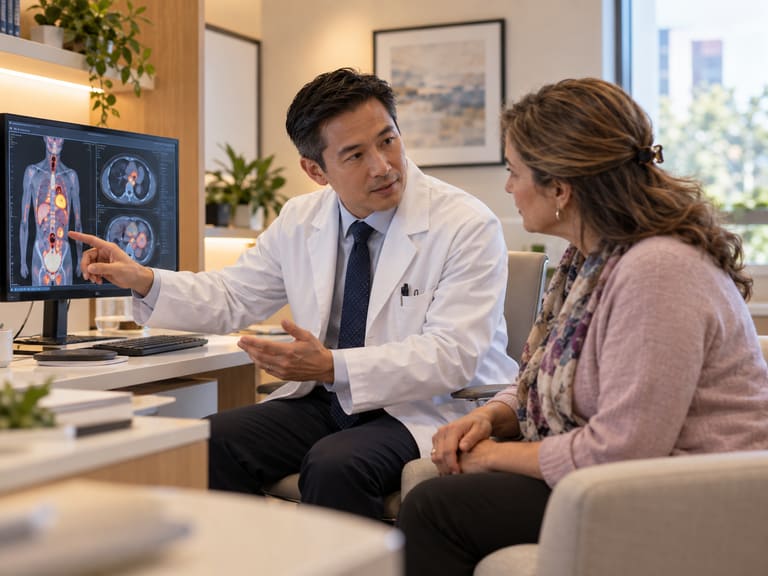
General information about chemotherapy, immunotherapy and targeted therapy, and how a review with a medical oncologist at a partner clinic is coordinated.
View treatment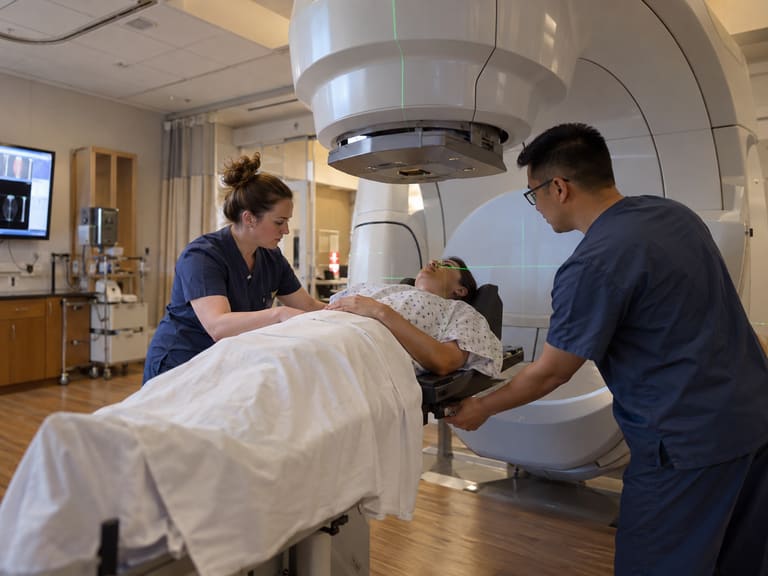
General information about radiotherapy and how a review with a radiation oncologist at a partner clinic is coordinated, from your records to planning scans.
View treatment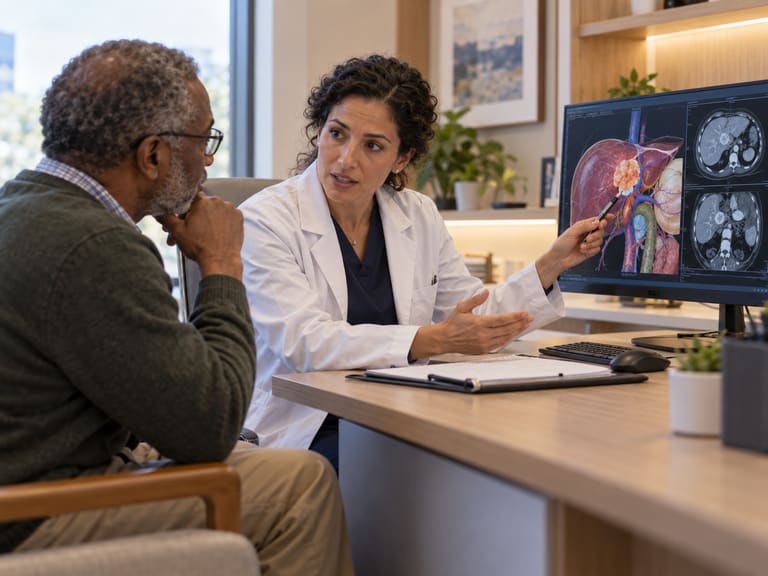
General information about cancer surgery and how a review with a surgical oncologist at a partner clinic is coordinated, always as part of a multidisciplinary plan.
View treatmentSend your records and your questions, and a coordinator will explain how a partner oncologist could review them. You are under no obligation, and your current care carries on as planned.
This is general information, not medical advice. Cancer care decisions must be made with your treating oncologist. In an emergency, contact your local emergency services. ELAVIA Global coordinates care; it does not provide medical treatment. All cancer care is delivered by independent partner clinics and their licensed oncologists.
ELAVIA Global coordinates international patient care. Clinical services are delivered by independently operated facilities.