
General information on how bowel (colorectal) cancer is assessed and treated, and how a review with a colorectal oncology team at a partner clinic is coordinated.
Important
This is general information, not medical advice. Cancer care decisions must be made with your treating oncologist. In an emergency, contact your local emergency services.
ELAVIA Global coordinates care; it does not provide medical treatment. All cancer care is delivered by independent partner clinics and their licensed oncologists.
A second opinion is an additional view, not a replacement for your current care. Please do not stop, delay or change any treatment without speaking to your treating team.
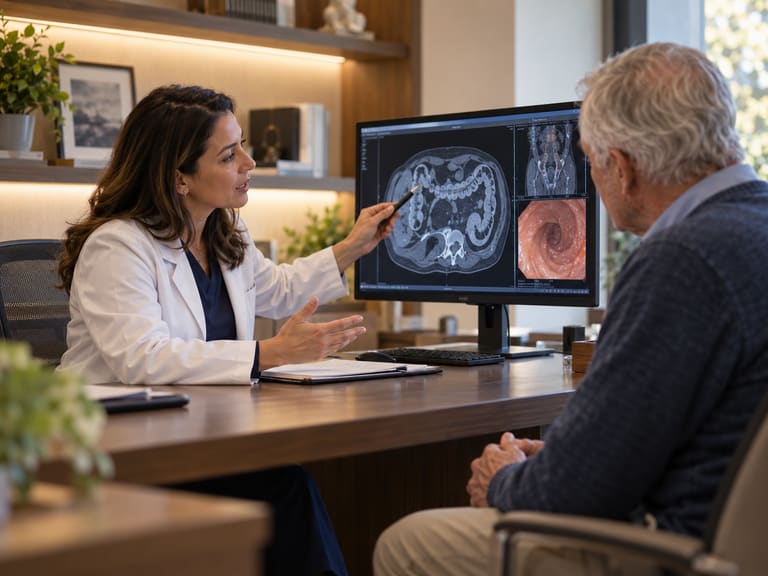
Colorectal cancer starts in the colon or the rectum. It is normally diagnosed by colonoscopy and biopsy and staged with CT scans of the chest, abdomen and pelvis, with a pelvic MRI as well for rectal cancer. Tumour tests such as RAS, BRAF and mismatch repair (MMR or MSI) status can help steer treatment.
Depending on where the cancer is and its stage, a plan may involve surgery, chemotherapy, radiotherapy (used more often for rectal cancer), targeted therapy or immunotherapy. Order matters: some people with rectal cancer have treatment before their operation. In certain cases the team may also talk about treating spread to the liver or lungs.
Plans are normally agreed by a multidisciplinary team, and what you read here is general. Your options can only be laid out once your case has been fully reviewed.
You get in touch with a coordinator and explain what you would like looked at. We are clear about our role: ELAVIA Global coordinates care and does not give medical advice or treatment.
With your permission, your reports, scans and pathology go securely to an oncologist at an independent partner clinic. The original scan files or pathology slides may need a fresh look, or some tests may need repeating.
A colorectal team at the partner clinic reviews your case and outlines the approach and order of treatment it would recommend. More tests may be suggested.
If you choose to go ahead at a partner clinic, its licensed team carries out surgery or other treatment. If a stoma is part of the plan, the hospital nurses show you how to look after it.
You take written reports home with you. Follow-up normally continues with your own oncologist, and the coordinator helps pass records between the teams.
These are only general examples. A treating oncologist decides whether any test or treatment is right for you, after an examination and a review of your scans and pathology.
Keep the originals and send copies. The team carrying out the review may request more records or ask for some tests to be done again.
Not everyone does. It depends on where the tumour is, the type of operation and other factors, and some stomas are only temporary. The surgeon tells you before any operation whether a stoma is likely.
For some rectal cancers, guidelines advise radiotherapy, chemotherapy or both before surgery. Whether that applies to you depends on the MRI staging and the team’s assessment.
These tests show how tumour cells repair their DNA. The results can shape treatment choices, including whether immunotherapy may be used, and can suggest whether genetic counselling for the family is worth talking about.
Cancer care is planned and priced individually after the oncologist reviews your records.
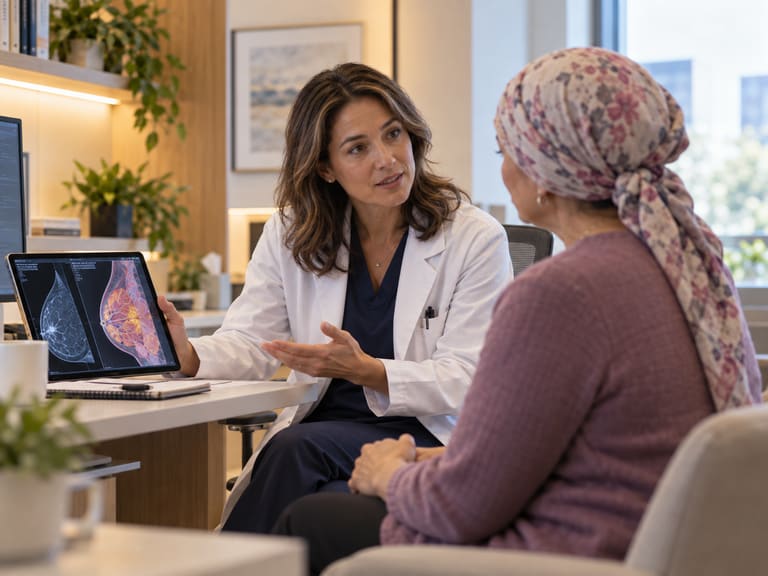
General information on PET-CT, biopsy and staging tests, and how diagnostic appointments at a partner clinic are coordinated, with results shared with your treating doctors.
View treatment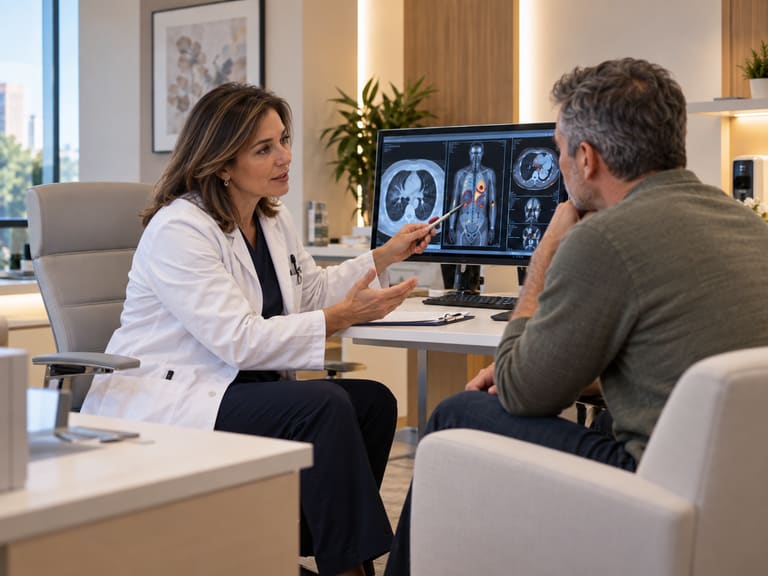
An additional expert review of an existing cancer diagnosis or treatment plan by an oncologist at a partner clinic — alongside, not instead of, your current care.
View treatment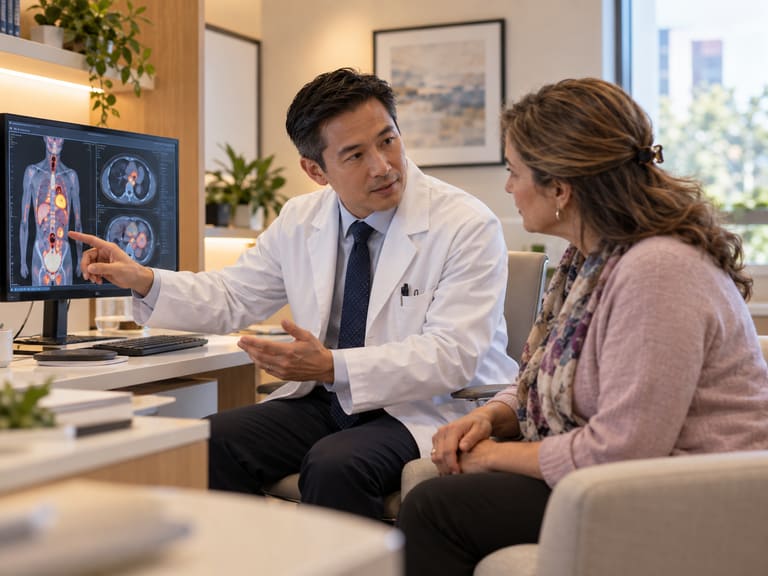
General information about chemotherapy, immunotherapy and targeted therapy, and how a review with a medical oncologist at a partner clinic is coordinated.
View treatmentSend your records and your questions, and a coordinator will explain how a partner oncologist could review them. You are under no obligation, and your current care carries on as planned.
This is general information, not medical advice. Cancer care decisions must be made with your treating oncologist. In an emergency, contact your local emergency services. ELAVIA Global coordinates care; it does not provide medical treatment. All cancer care is delivered by independent partner clinics and their licensed oncologists.
ELAVIA Global coordinates international patient care. Clinical services are delivered by independently operated facilities.